

Exploring Sequoia National Park The Right Way
A Crash Course on Doing Sequoia Right
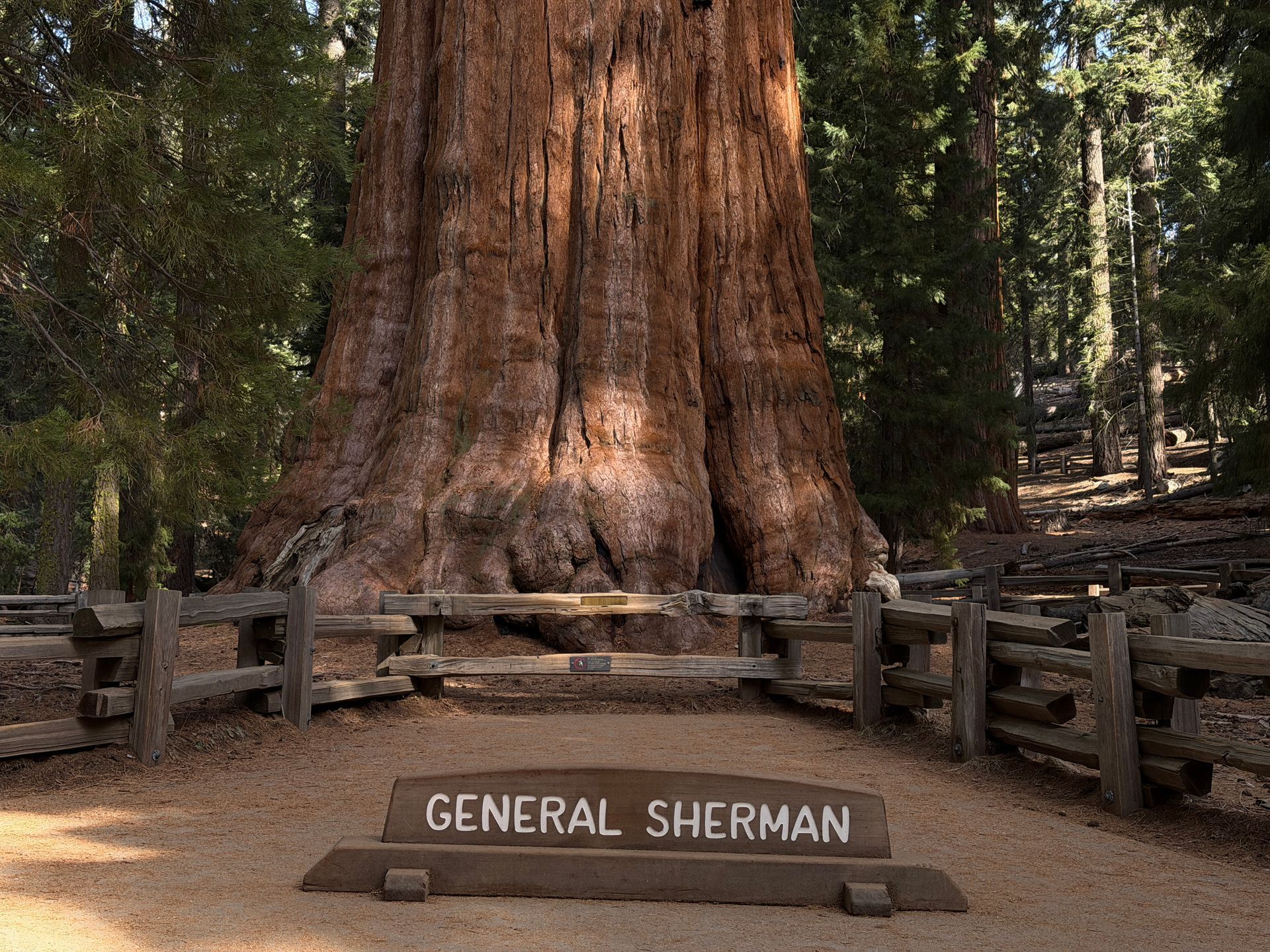
Sequoia National Park is one of the most awe-inspiring places in California, and yet, it’s often misunderstood or rushed through. Many visitors treat it as a quick few stops rather than the immersive experience it truly is.
This guide breaks down where to stay near Sequoia National Park, the most important things to see inside the park, and when to visit depending on whether you want snow, wildflowers, or lighter crowds.
If you’re planning a Sequoia National Park trip and want to do it right, this is your blueprint.
Where to Stay Near Sequoia: Three Rivers
If you’re deciding where to stay when visiting Sequoia National Park, Three Rivers is the clear winner.
Three Rivers is the closest town to the Ash Mountain entrance of Sequoia National Park, making it the most convenient base for early starts and late returns. Staying here minimizes drive time and maximizes time inside the park, which is critical to getting the most out of your visit.
Beyond proximity, Three Rivers has a relaxed, mountain-town feel that pairs perfectly with a national park trip. It’s small, scenic, and built around travelers who spend their days hiking and exploring.
Where to Eat in Three Rivers
Sierra Subs
Sierra Subs is a must-stop before or after a day in the park. It was voted the 8th best sandwich shop in the United States on Yelp, and it earns that ranking.
Portions are generous, ingredients are fresh, and it’s ideal for packing a sandwich to take into the park, especially since food options inside Sequoia National Park are very limited.
Tony’s Taverna
For dinner, Tony’s Taverna is one of the best options in Three Rivers. Expect hearty Greek dishes, a cozy atmosphere, and comfort food that actually satisfies after a long day of hiking and elevation gain. It’s popular for a reason, so arrive early during peak season.
Things to See in Sequoia National Park
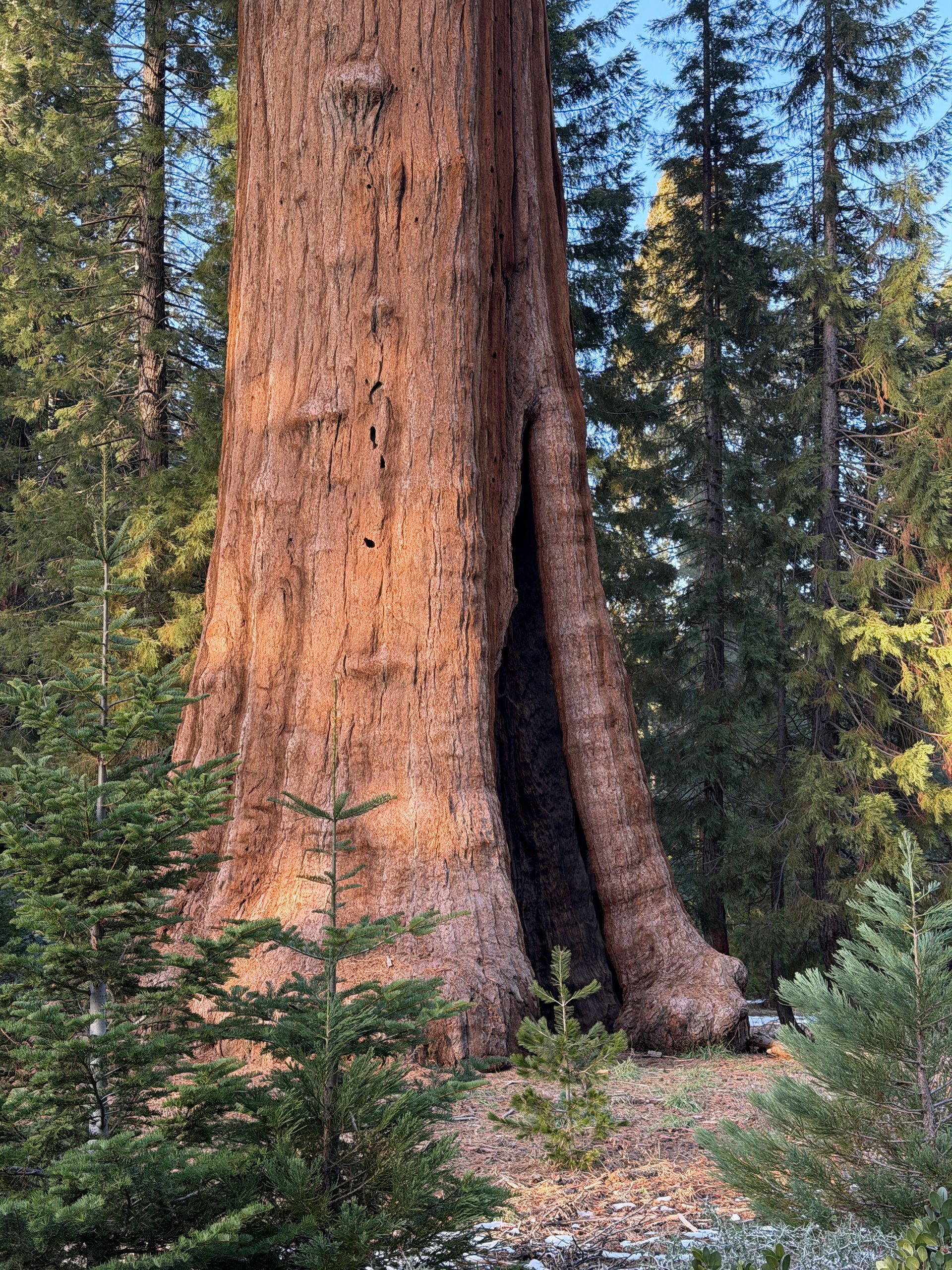
Sequoia National Park is about scale, patience, and perspective. Many of the park’s most famous sights are clustered in the Giant Forest area, making it easy to plan a full day without excessive driving.
The Sentinel Tree (Pictured Above)
The Sentinel Tree is often overshadowed by its more famous neighbors, but it’s one of the most impressive sequoias in the park.
Less crowded and easier to appreciate quietly, this is a great early stop to ease into the magnitude of the trees without potentially fewer crowds than at General Sherman.
Quick note on crowds, before we continue. If you truly want to avoid hordes of people, it’s best to visit Sequoia during the off-season and on weekdays. Seriously, if you try to visit during a summer holiday, it will feel like Disneyland. And you can quote me on that!
Giant Forest Museum
The Giant Forest Museum is an essential stop, especially for first-time visitors. It provides context that completely changes how you experience the park.
Here you’ll learn:
- How giant sequoias grow and survive for thousands of years.
- Why fire is essential to their lifecycle.
- How climate change is impacting the forest.
Skipping the museum is a missed opportunity. You can comfortably spend 10–30 minutes here before heading deeper into the Giant Forest.
Congress Trail
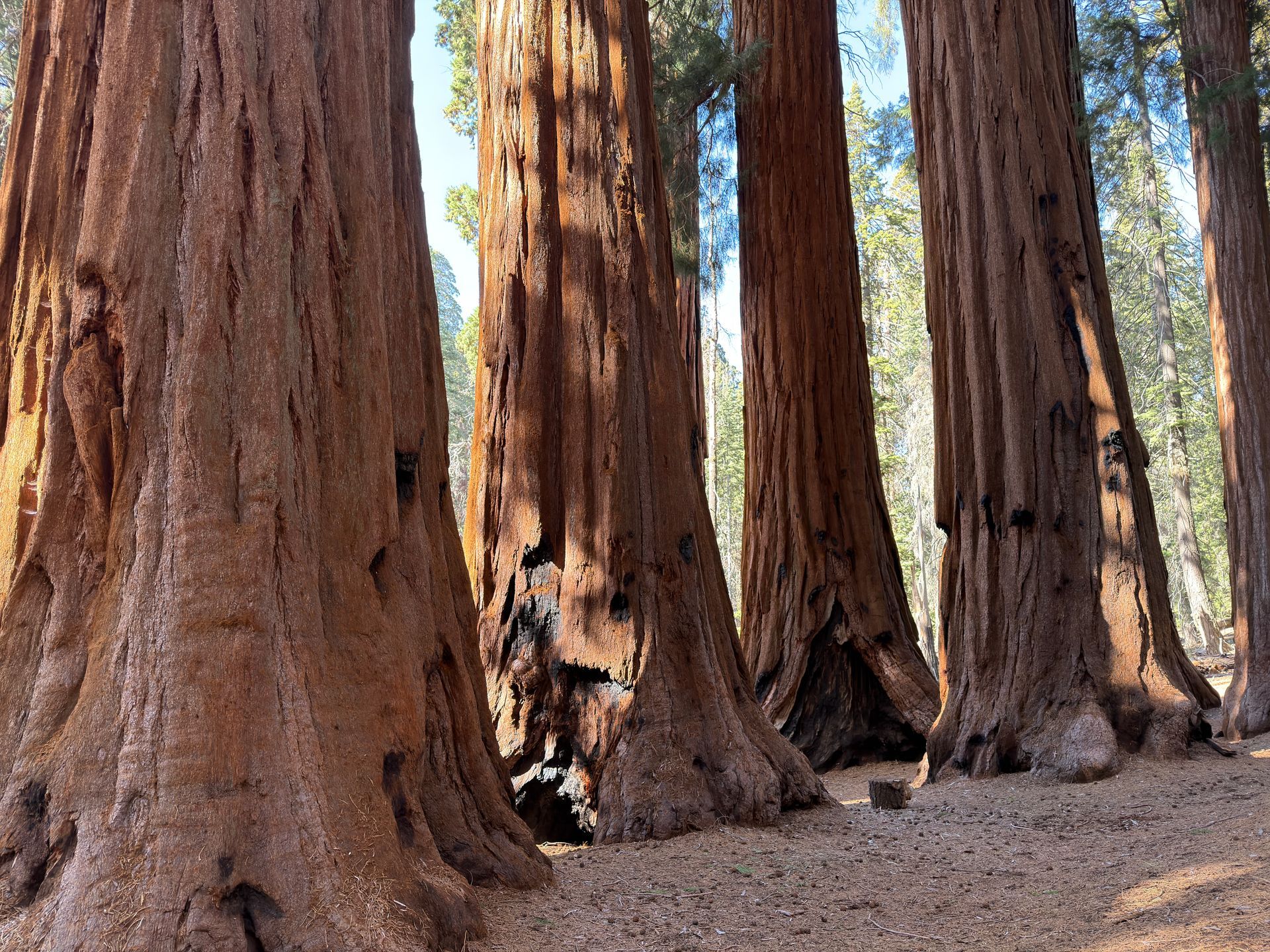
The Congress Trail is one of the best hikes in Sequoia National Park for experiencing the density and scale of giant sequoias without committing to a strenuous hike.
The Senate Group
The Senate features a collection of massive trees grouped together, creating a cathedral-like setting. It’s one of the quieter sections of the trail and a great place to slow down.
The House Group
The House section contains some of the largest trees on the trail and tends to feel more dramatic and enclosed.
McKinley Tree
Named after President William McKinley, this tree stands out for its immense trunk and commanding presence. It’s one of the highlights of the Congress Trail loop.
Giant Forest & The Black Arch Tree
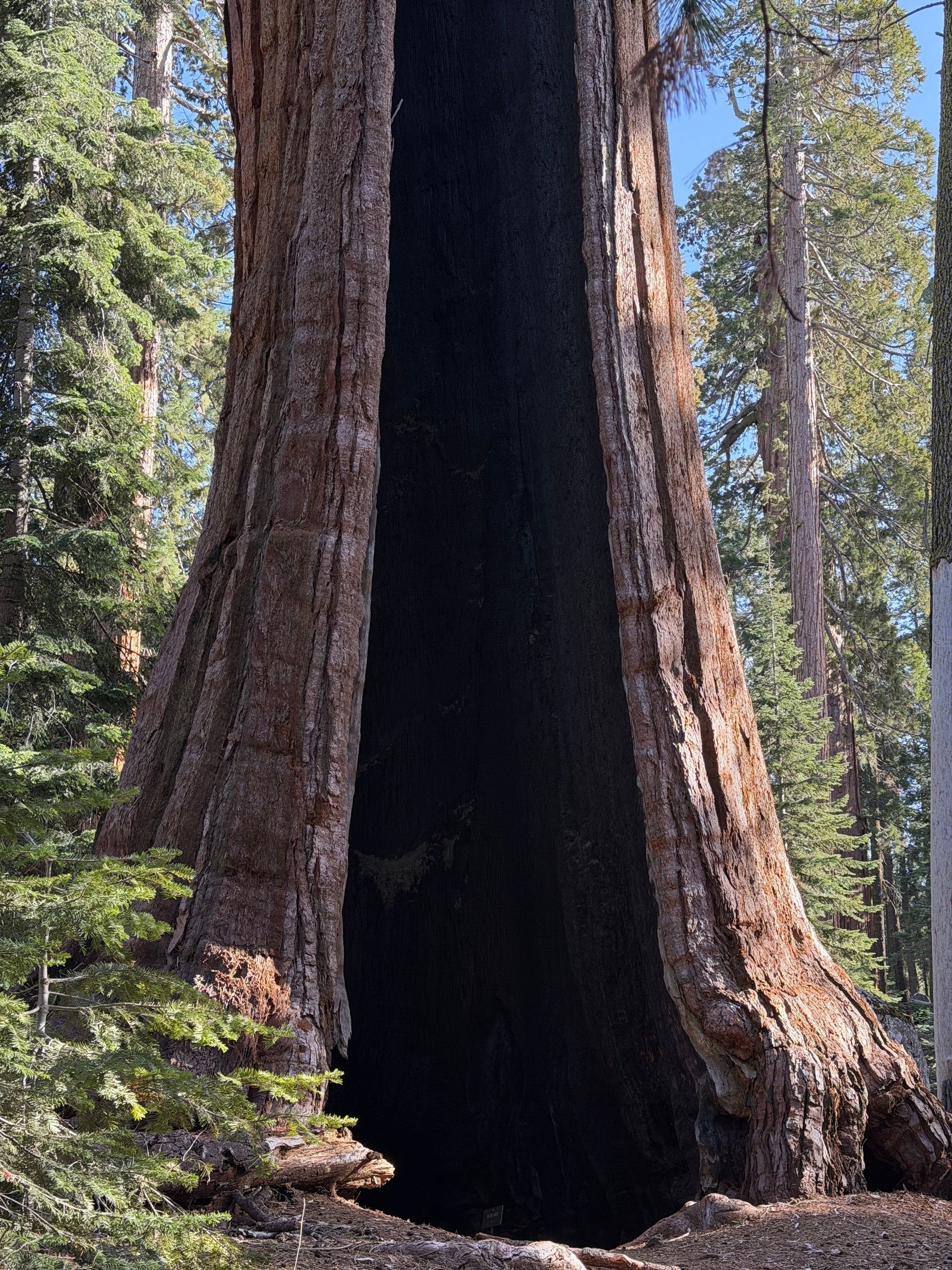
The Giant Forest is the heart of Sequoia National Park. This area contains the highest concentration of giant sequoias on Earth.
One of its most unique features is the Black Arch Tree, a burnt-out and hollow massive Sequoia you can walk through. It’s a powerful reminder of how fire shapes and renews this ecosystem.
Moro Rock
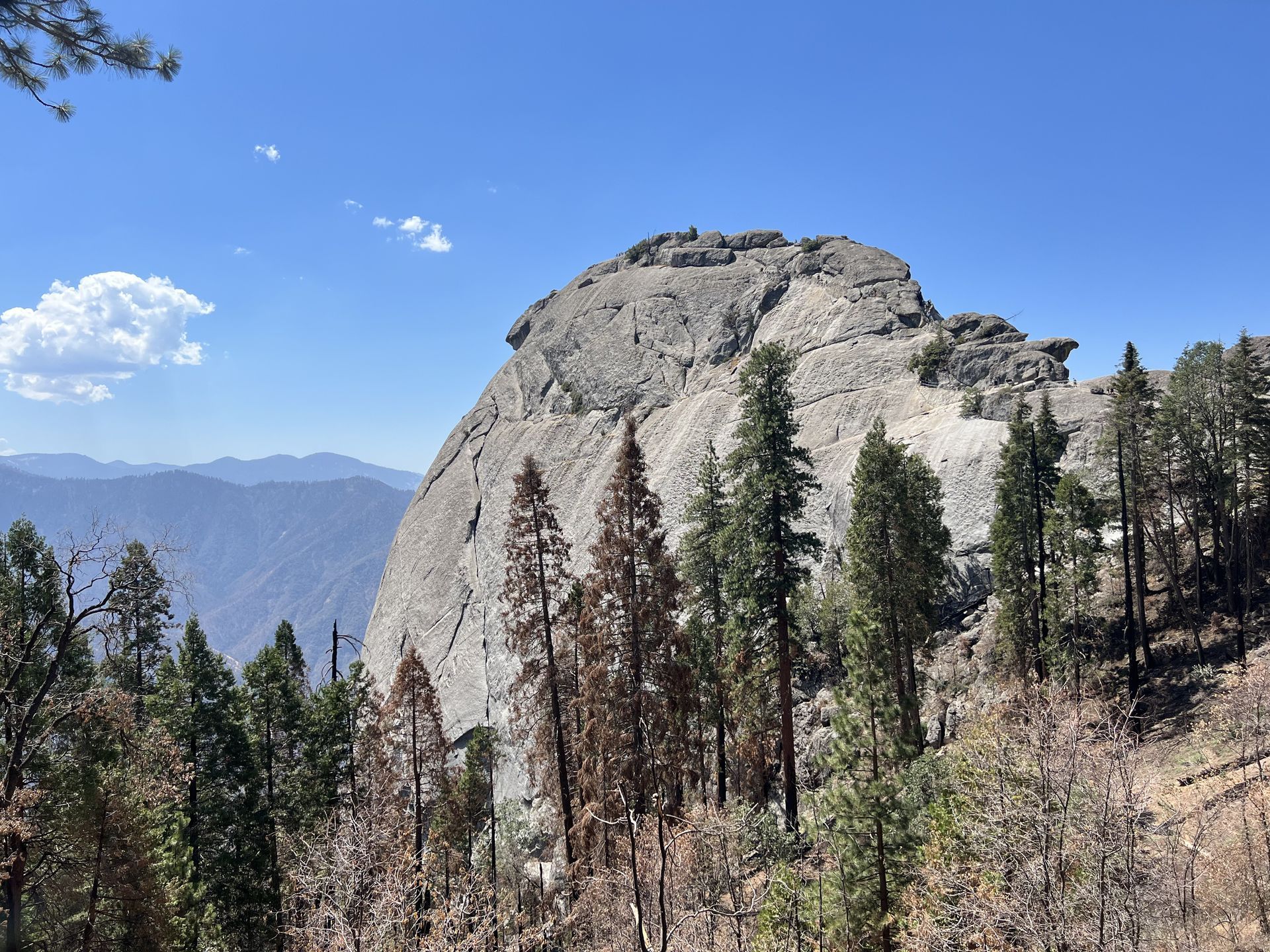
Moro Rock offers one of the best panoramic views in Sequoia National Park.
A short but steep staircase leads to the top, where you’ll be rewarded with sweeping views of the Great Western Divide. On clear days, visibility stretches for miles. This is an ideal stop either early in the morning or close to sunset, when lighting is softer and crowds thin out.
Tunnel Log
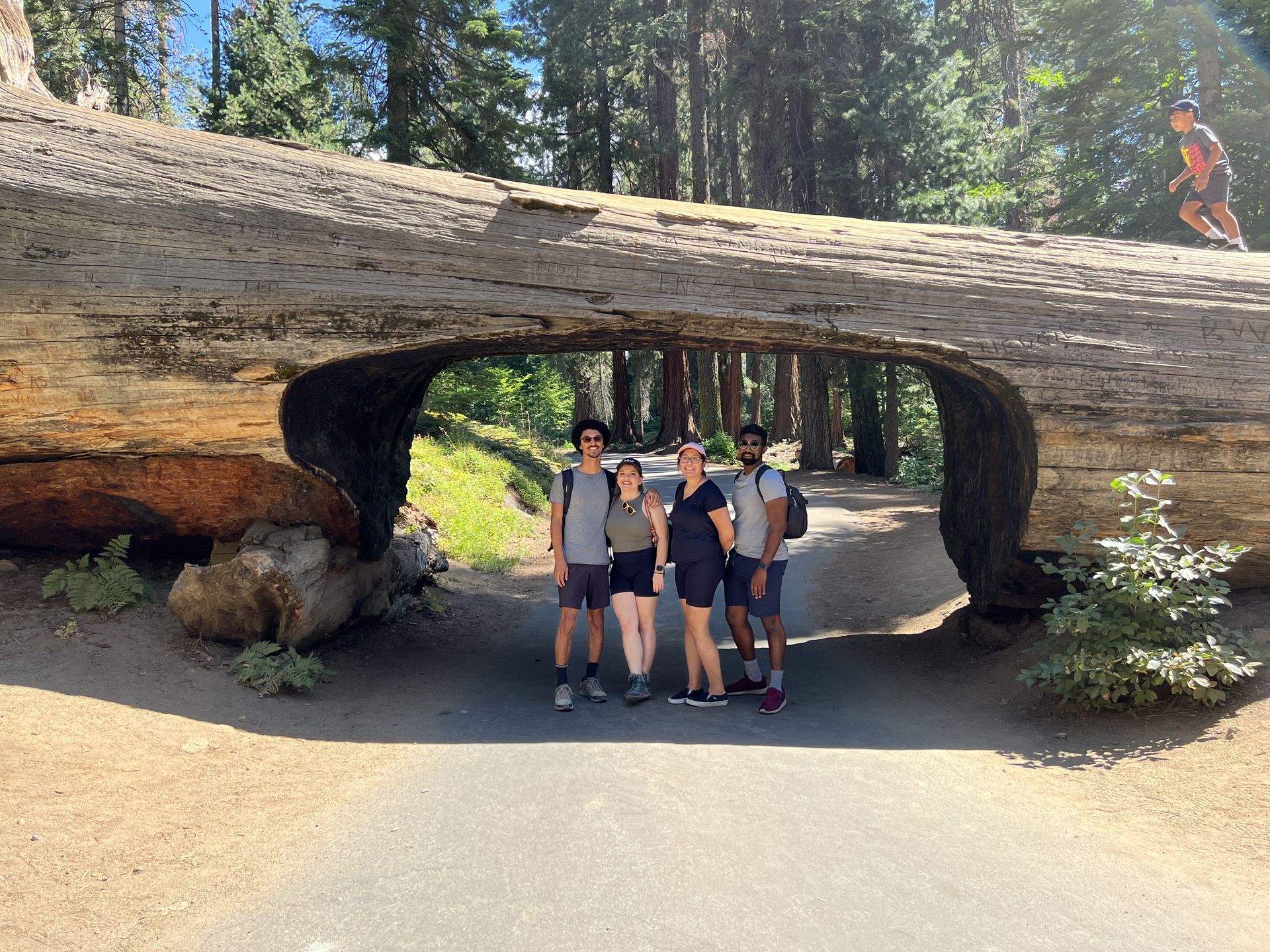
The Tunnel Log is one of Sequoia’s most iconic roadside stops. This fallen sequoia was carved to allow vehicles to pass through, and it’s a quick, memorable stop that adds variety to your day.
Note that during peak season, you’re not able to drive under the log, as the area is accessible only via shuttle. But you can still walk under it!
Hanging Rock & Hospital Rock
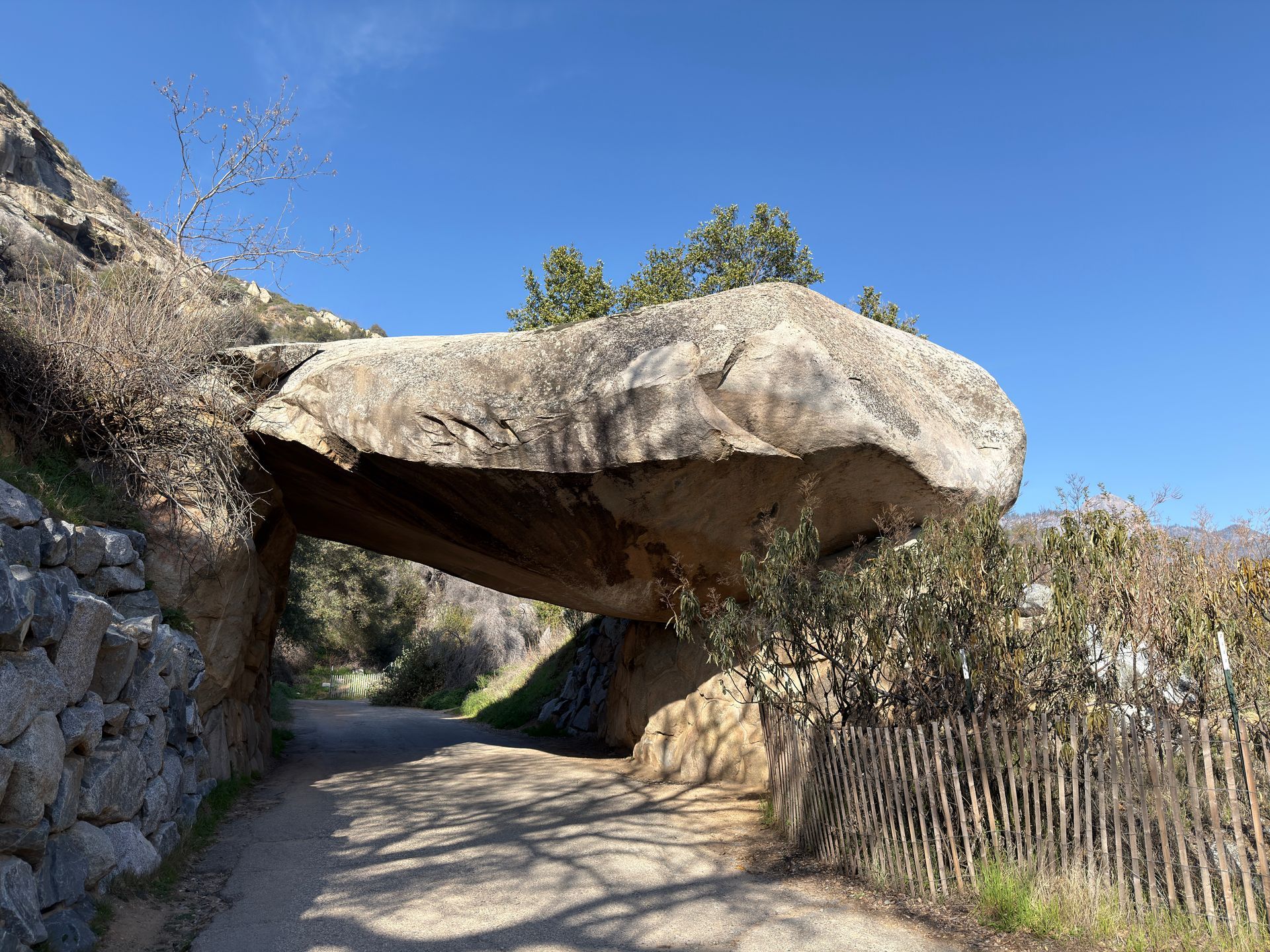
Hanging Rock is a lesser-known viewpoint that provides a dramatic overlook of the Middle Fork of the Kaweah River. It’s an excellent stop if you want big views without a long hike.
Hospital Rock combines scenery with history. This area features Native American pictographs and was once used as a campsite and gathering place. It’s easily accessible and worth stopping to stretch your legs and learn more about the area’s cultural history.
Scenic Viewpoint on the Drive Out
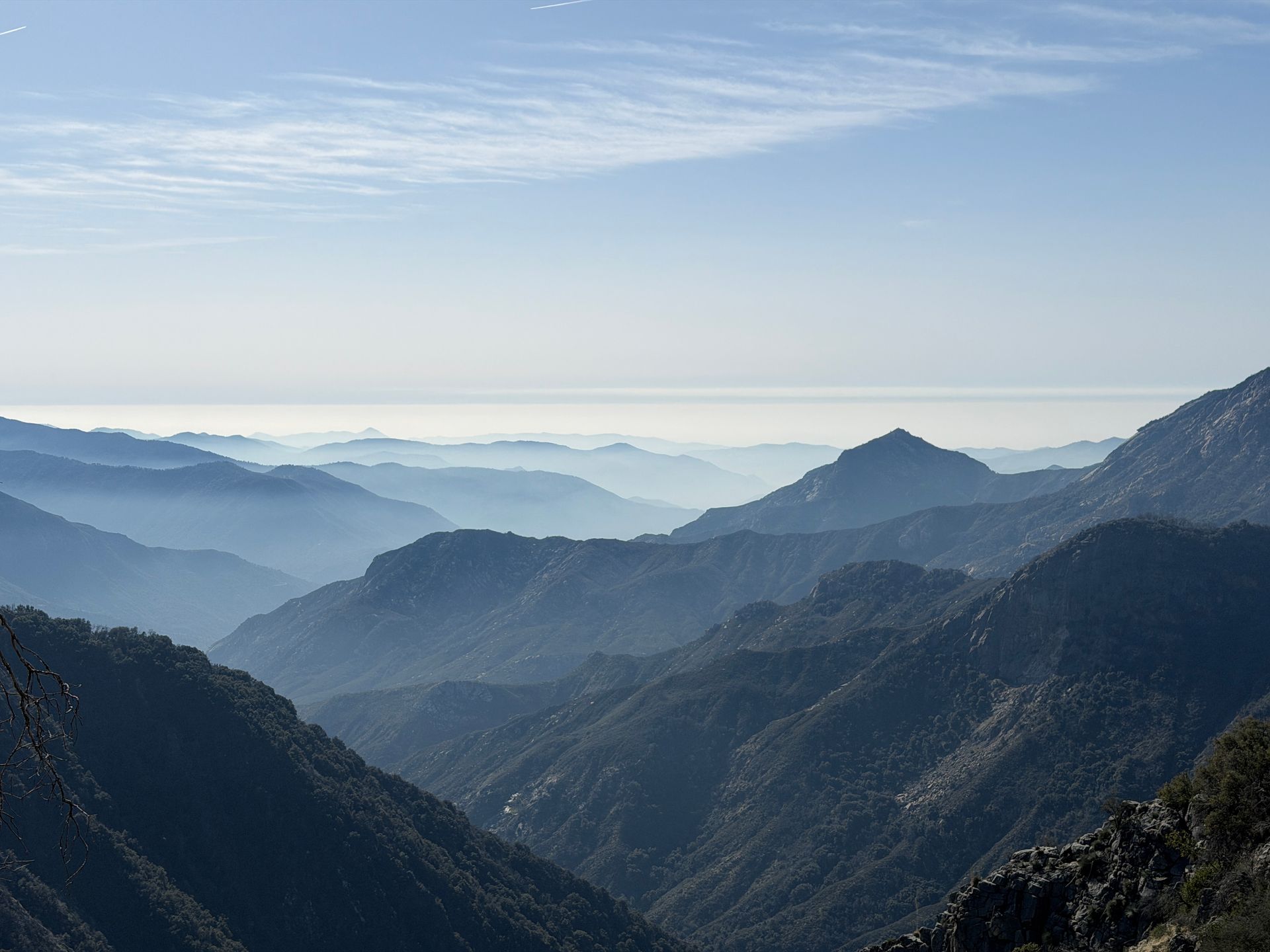
As you drive back down out of Sequoia National Park, plan to stop at one of the roadside viewpoints overlooking the foothills and river canyon.
These stops are often overlooked, but they provide a beautiful transition from alpine forest back to lower elevations, especially in golden-hour light.
Crystal Cave: What You Need to Know
Crystal Cave is one of Sequoia National Park’s most unique attractions, but it requires advance planning.
- Crystal Cave is only accessible via a guided tour.
- Tours must be booked in advance.
- Tickets often sell out, especially in summer.
The cave features dramatic marble formations, underground streams, and cool temperatures year-round. If this is a priority for your trip, book your tour first and plan the rest of your itinerary around it.
You can follow this link to grab a reservation:
https://www.visitsequoia.com/sequoia-national-park-attractions/crystal-cave/
Best Time to Visit Sequoia National Park
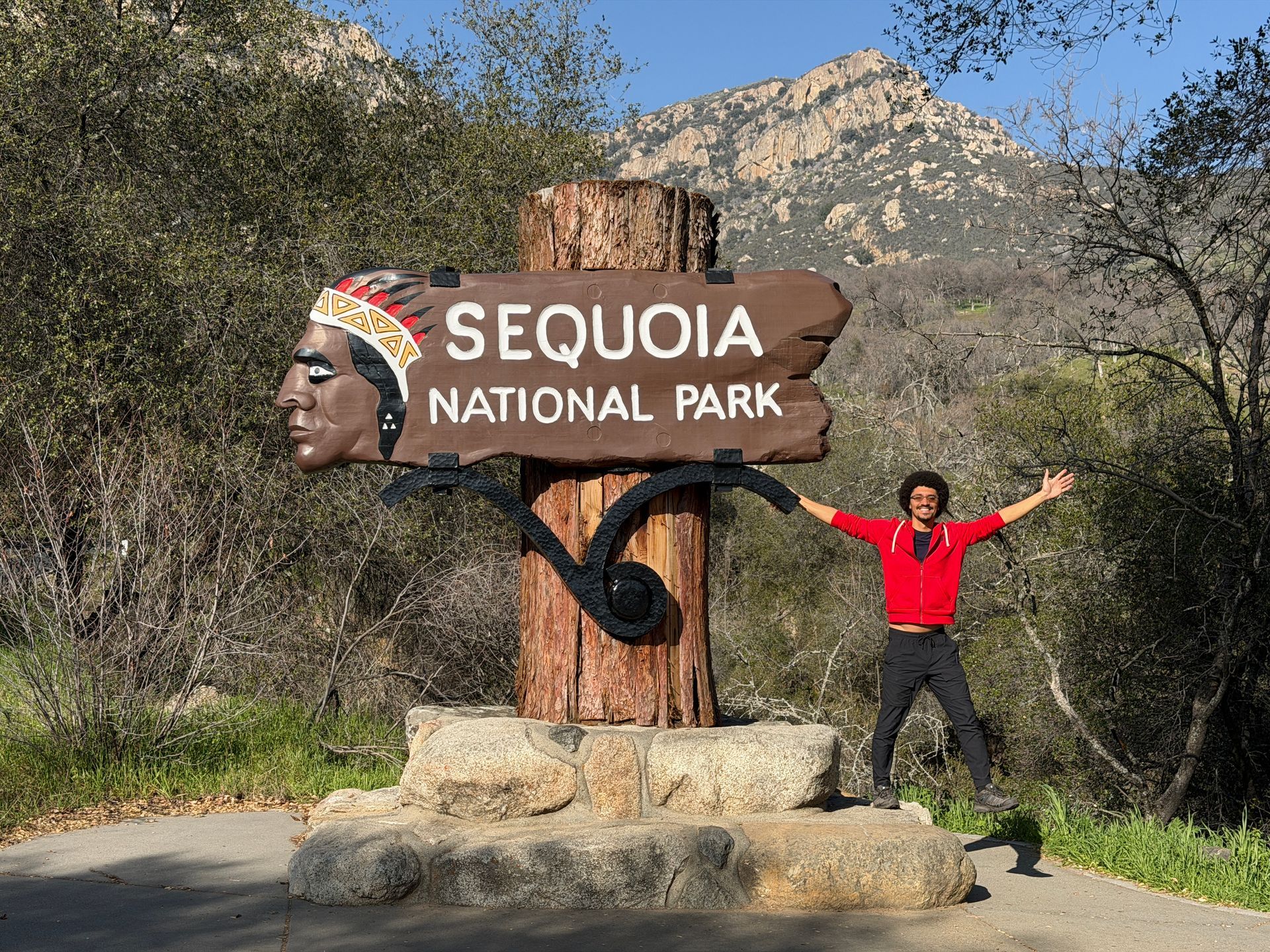
The best time to visit Sequoia National Park depends entirely on what kind of experience you want.
Best Time to Visit for Snow
For snow, visit late December through March. During this time, the Giant Forest often transforms into a winter landscape, but snow chains may be required, and access can be limited during storms.
Always check road conditions before visiting.
Best Time to Visit for Wildflowers
Wildflower season typically peaks late April through June, starting in lower elevations and moving upward as snow melts.
Foothill areas near the entrance bloom first, while higher elevations follow later in spring.
Best Overall Time to Visit
Late May through early June and September through October are the best balance of accessibility, weather, and crowd levels.
Roads are usually open, temperatures are comfortable, and the park feels far less congested than in midsummer.
When to Avoid Visiting
Avoid holiday weekends and peak summer weekends if possible. Crowds can make parking impossible and significantly detract from the experience.
Sequoia National Park is best enjoyed slowly, and heavy crowds make that difficult.
Final Thoughts on Visiting Sequoia National Park
Sequoia National Park rewards visitors who plan ahead and take their time. Staying in Three Rivers, prioritizing the Giant Forest, and choosing the right season can completely change how meaningful your trip feels.
This is not a park to rush, and when experienced properly, it’s one of the most humbling places in California.
Get the Discover California Interactive Map
I’ve spent years finding the best spots all over California. Now, I’ve put them all into one interactive map so you can skip the boring research and go straight to the good stuff.
With the map, you will:
- Get instant access to over 150 of the best spots in California.
- Discover gorgeous hikes, parks, views, and waterfalls.
- Find unique experiences that are worth your time.
- Save hours when planning trips.
- Waste no time on boring or bland places.
It took me 10 years' worth of exploring to find all the spots on this map, but you can have them all at your fingertips right now.
You can grab a copy of the map at this link.
And use code WSB20 at checkout for 20% off!
Enjoy!