
The Ultimate California Winter Road Trip
From the Bay Area to Mammoth Lakes via a Legendary Sierra Mountain Pass
A California winter road trip through the Sierra is one of those experiences that makes you question why more people don’t do this.
You leave behind 60-degree Bay Area “winter,” climb steadily into real alpine terrain, cross a snow-covered mountain pass that Caltrans is actively fighting to keep open, and then descend into the high-elevation playground that is Mammoth Lakes.
It feels dramatic, remote, and unforgettable.
And if you time it right? It’s pure magic!
This is exactly how to do a
Bay Area to Mammoth Lakes winter road trip the smart way, including the best mountain pass to take, scenic stops along Highway 395, where to stay, what to do, what to pack, and what not to screw up.
Crossing the Sierra in Winter: The Route That Actually Works
Let’s start with the part most people underestimate.
You can’t just “wing” a Sierra crossing in winter.
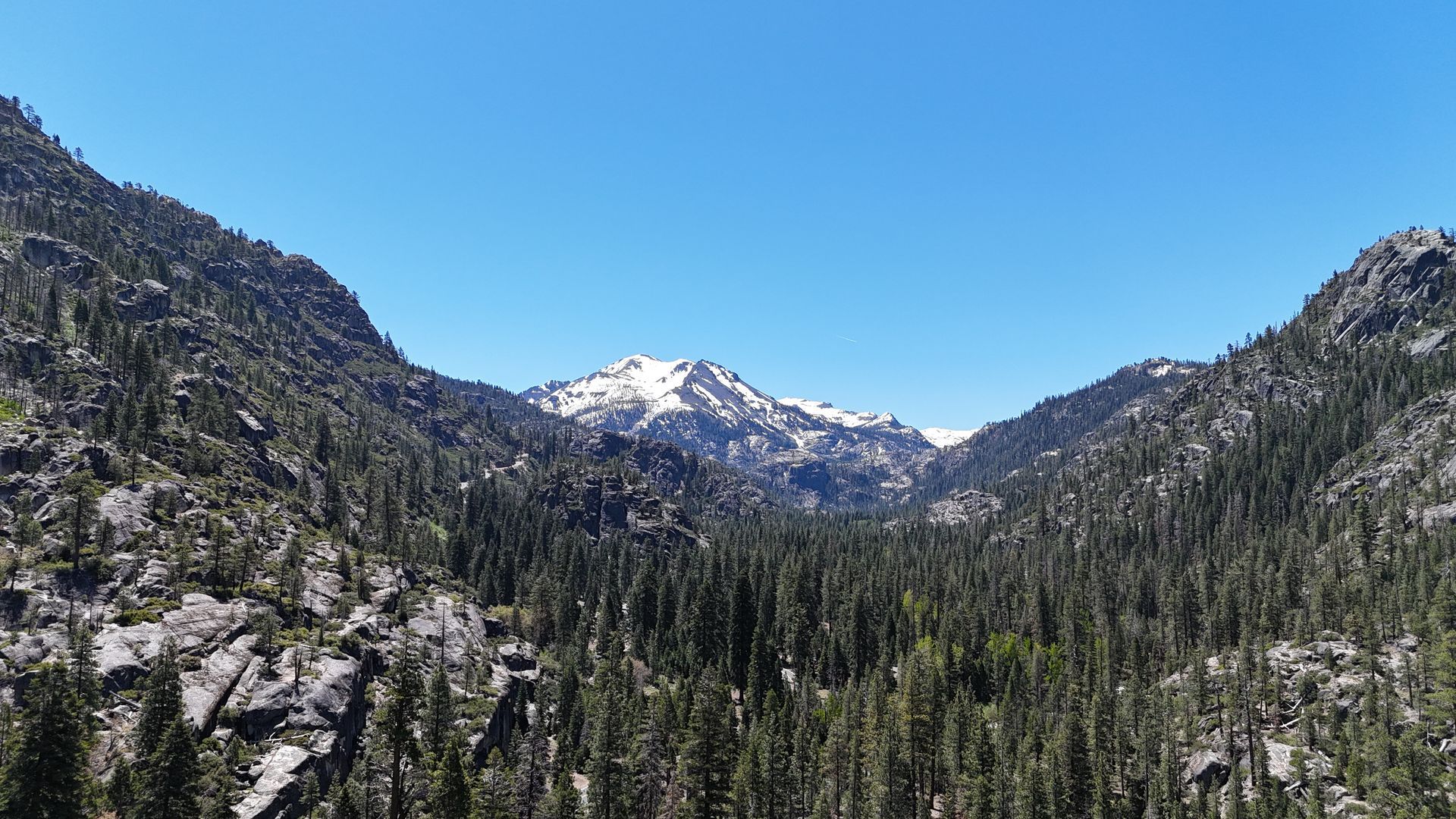
If you’re driving from the Bay Area, two good options are:
- Carson Pass (Highway 88).
- Highway 50 through the Lake Tahoe Basin.
These are major passes that Caltrans prioritizes and regularly plows. Many of the other roads through the Sierra are simply closed during the winter months, like Sonora Pass or Monitor Pass.
Once you crest the Sierra, you’ll connect to US-395, and that’s where the scenery goes from beautiful to completely cinematic.
Snow-covered peaks. Wide-open high desert. Frozen lakes. Long, dramatic stretches of highway with almost no one around.
It’s one of the most beautiful drives you’ll ever do.
Pro tip: Always check Caltrans before leaving and carry chains. This is mandatory during winter travel.
Scenic Stops Along Highway 395 (Do Not Skip These)
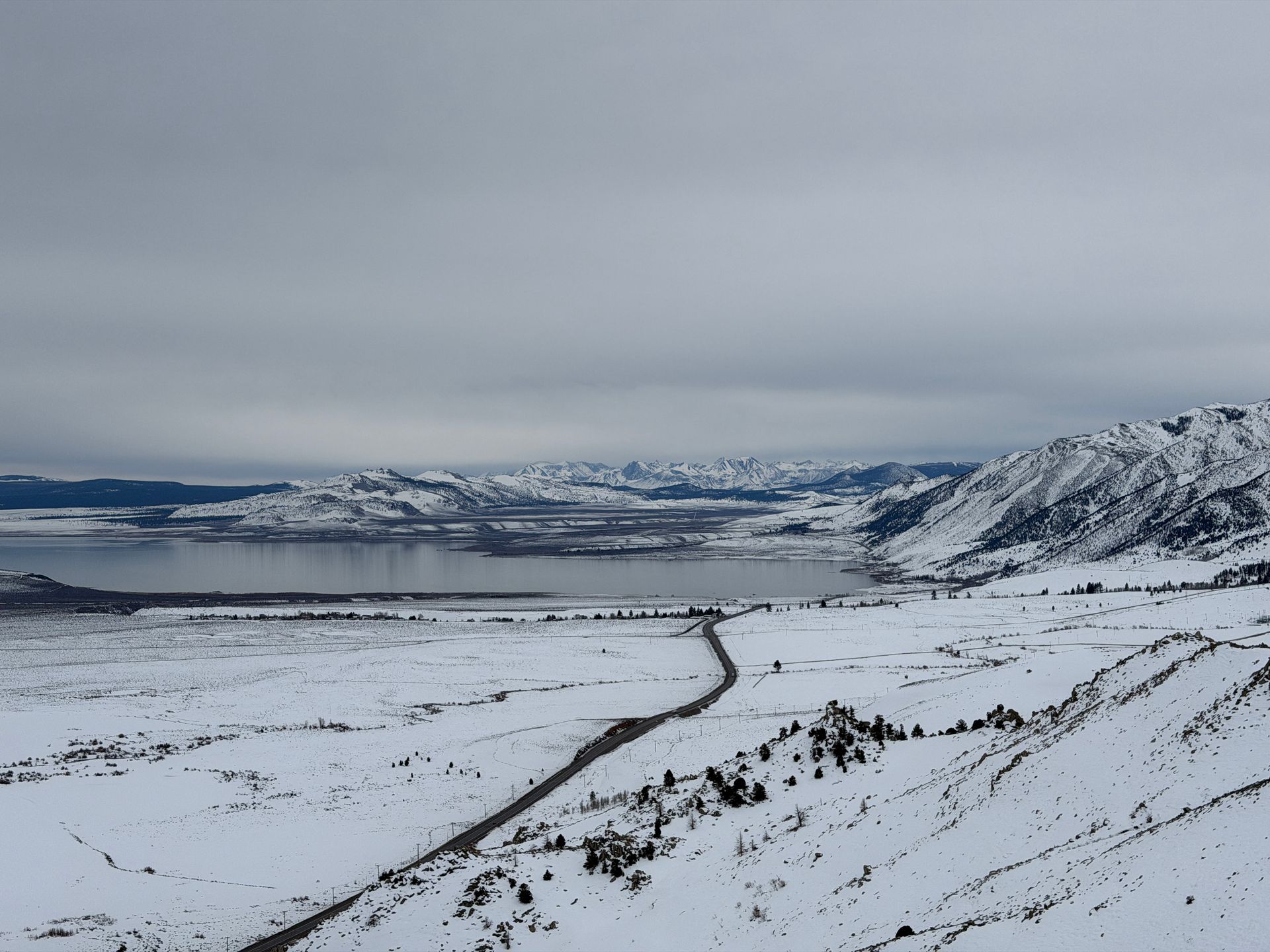
The drive down the 395 through the Eastern Sierra is one of the most visually striking drives in California. If you blast straight through it, you’re doing it wrong.
Mono Lake Vista Point
Just north of Lee Vining, you’ll hit the Mono Lake Vista Point.
You have to pull over.
The views are stunning, and when there’s snow on the ground, the contrast between white Sierra peaks and the dark water is unreal.
This stop takes five minutes, but the view will stick with you forever.
Mono Lake South Tufas (Avoid This GPS Mistake)
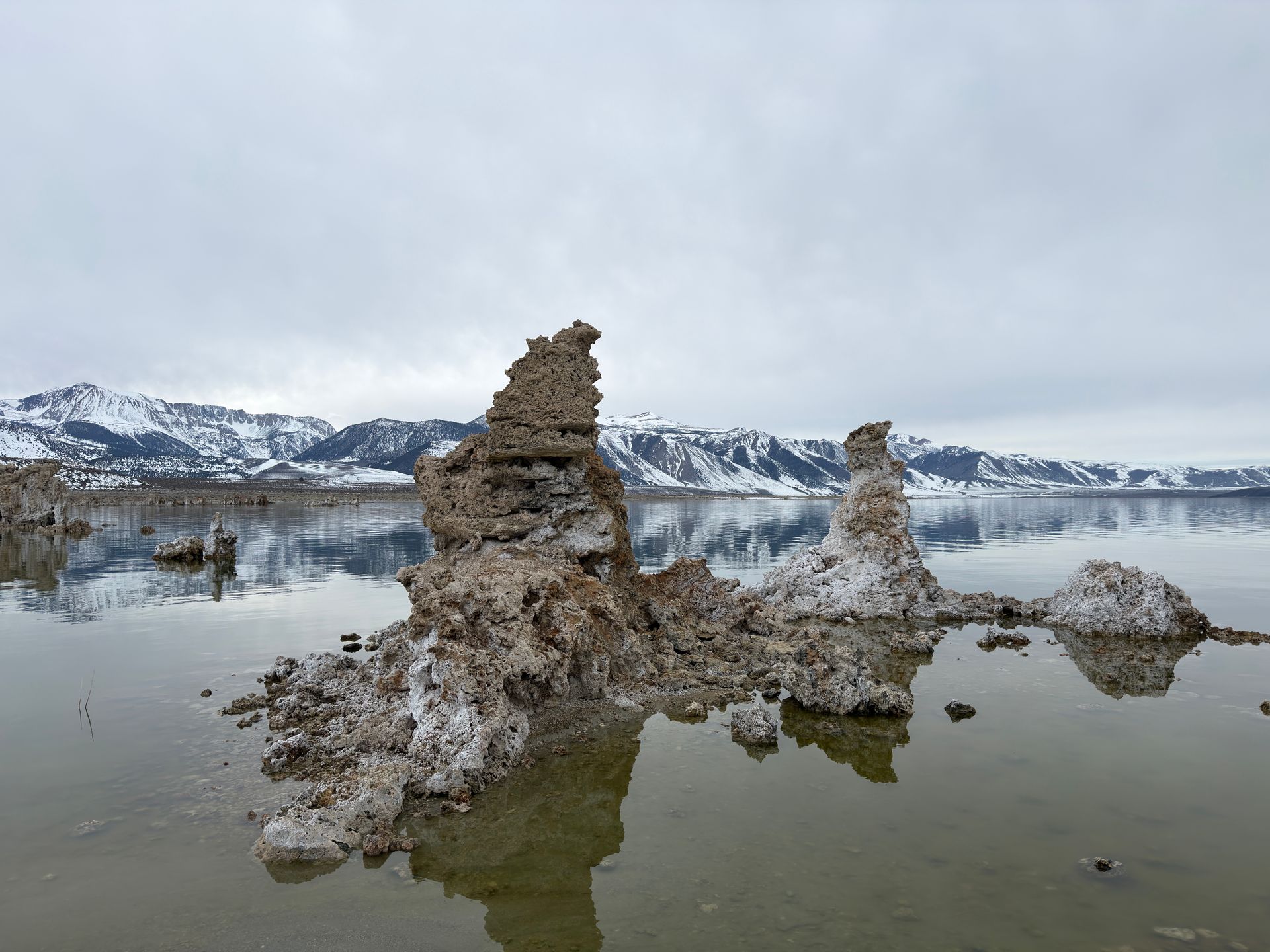
If you want to walk among the tufa towers, head to the South Tufa area.
But be mindful of your GPS.
It might try to send you off Highway 395 onto Test Station Road.
Don’t take it in winter.
It’s unpaved. It can be muddy, icy, or completely sketchy.
Instead:
- Take Highway 120 West.
- Follow the signs to South Tufa.
- Stay on the mostly paved route.
It’s so much better than getting routed down the unpaved road.
Once you’re there, bundle up and walk the shoreline. Steam rising off the water. Snow crunching under your boots. Jagged formations everywhere.
It feels otherworldly here in the best way.
June Lake (Winter Walk to the Beach)
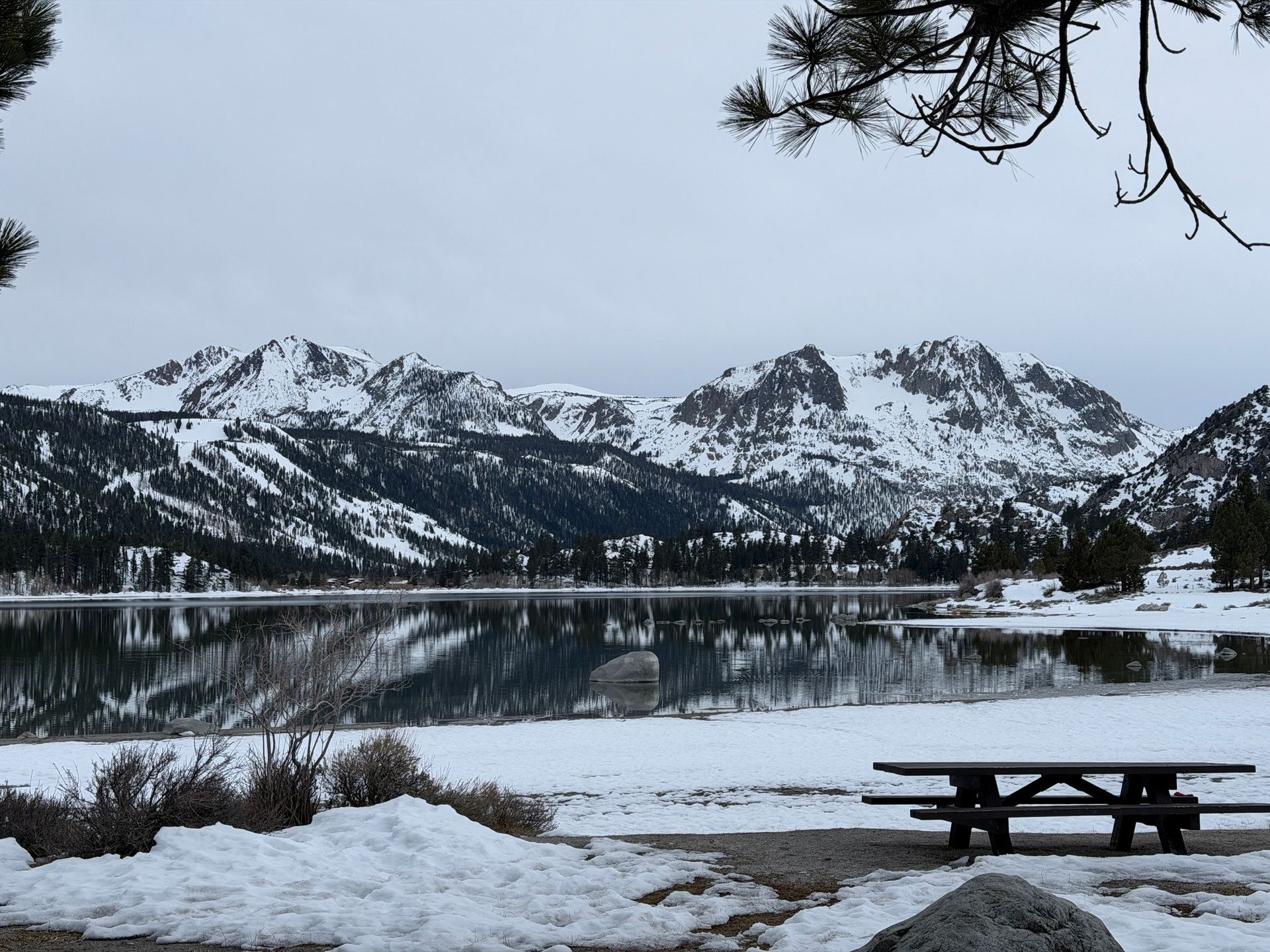
If you’ve never seen June Lake in winter, you’re missing out!
The road down to the beach parking lot is closed at the gate in winter.
Just park safely near the gate and walk the short stretch down to the shoreline.
Frozen edges. Snow-dusted pines. Mountains reflected in still water.
It’s another Eastern Sierra scene that’ll stick with you for the rest of your life.
Arriving in Mammoth Lakes
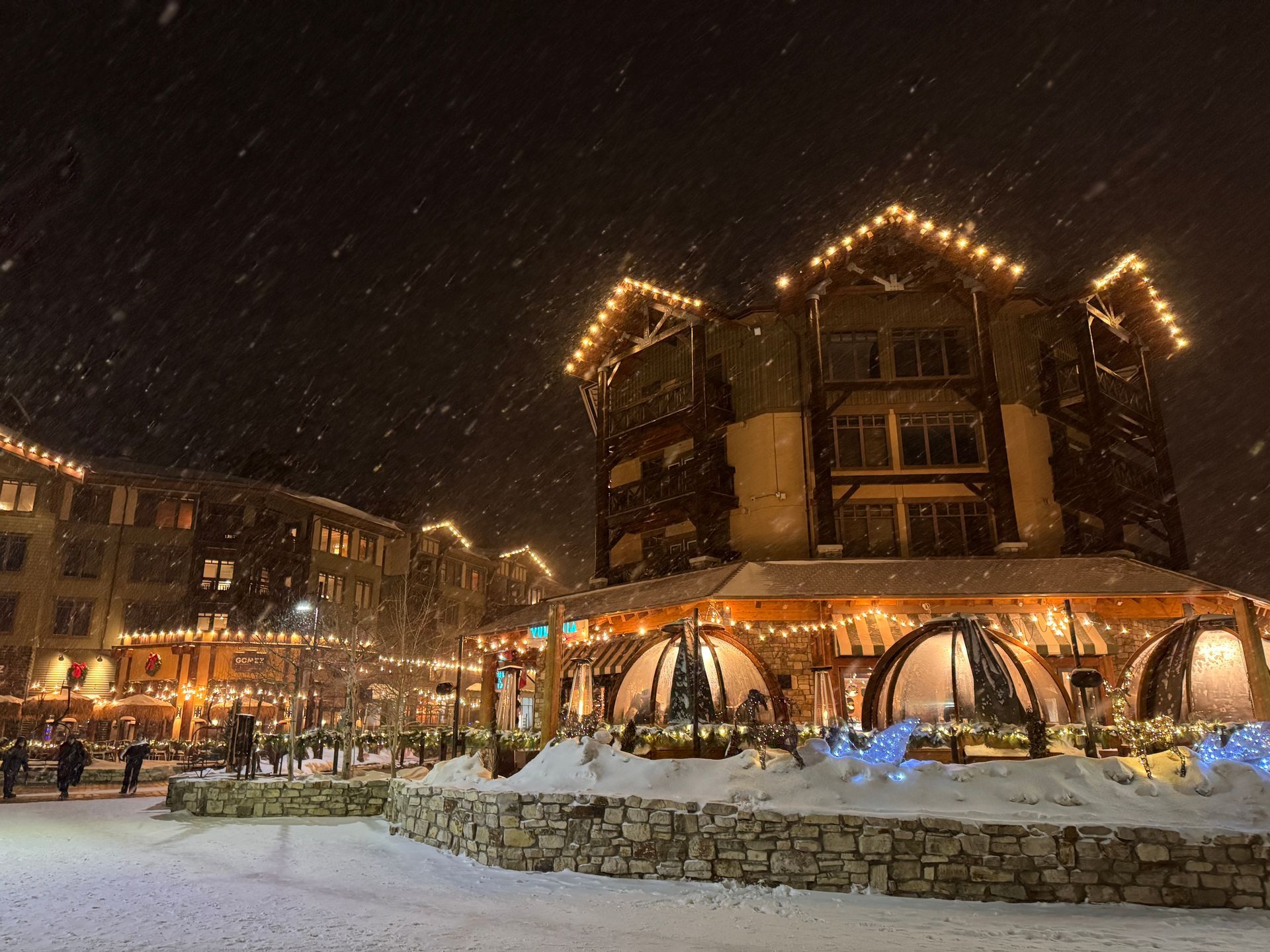
When you roll into Mammoth Lakes, it immediately feels different.
Snowbanks on the side of the road. Pine trees are heavy with fresh powder. The Village glowing at night.
Stay in town. I promise it will make everything easier:
- Restaurants are within walking distance.
- There's free (And good!) public transit.
- Close access to Mammoth Mountain.
- Less driving in the snow.
And when a storm hits (because eventually one will), you’ll be glad you have a cozy place to stay.
What to Do in Mammoth Lakes During the Winter
There are two types of Mammoth visitors:
- The ski-all-day crowd.
- The “I want winter without committing to skiing” crowd.
This itinerary works for both.
Snowshoe to Minaret Vista (Beginner-Friendly and Stunning)
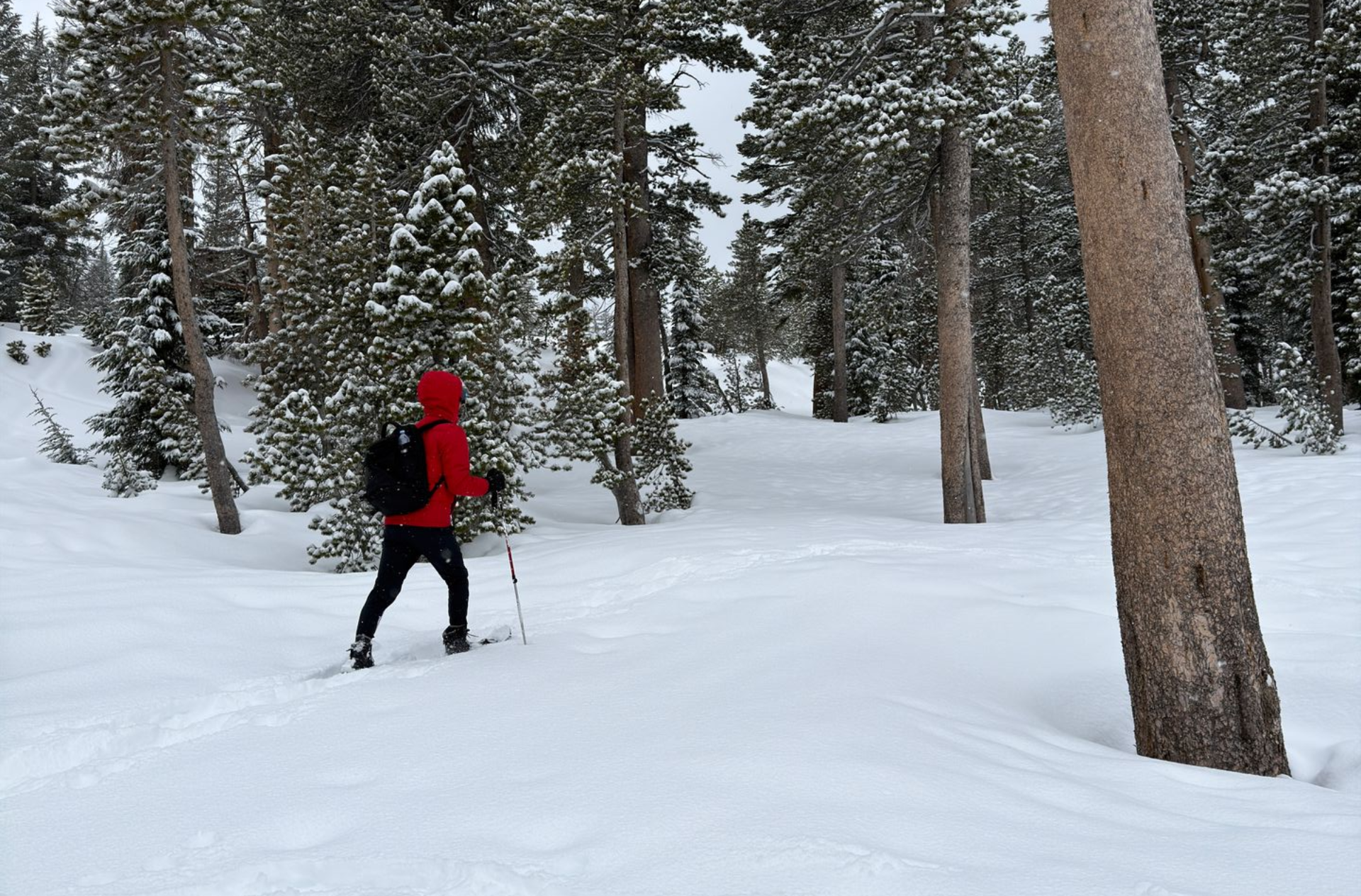
Rent snowshoes from Black Tie Rentals. They’ll deliver them to you, which is super convenient.
To access the trail:
- Park at Mammoth Mountain Main Lodge.
- Follow Minaret Road uphill.
- Stay to the right to avoid skier traffic.
It looks like you’re entering ski-only terrain, but you’re not. Just follow the road.
The trail is regularly groomed, which means conditions are usually solid and manageable.
On a clear day, the Minarets rise dramatically in front of you.
It’s one of the most rewarding winter views in Mammoth without requiring expert-level fitness.
Snowshoe to Hot Creek Geological Site (Harder, But Worth It)
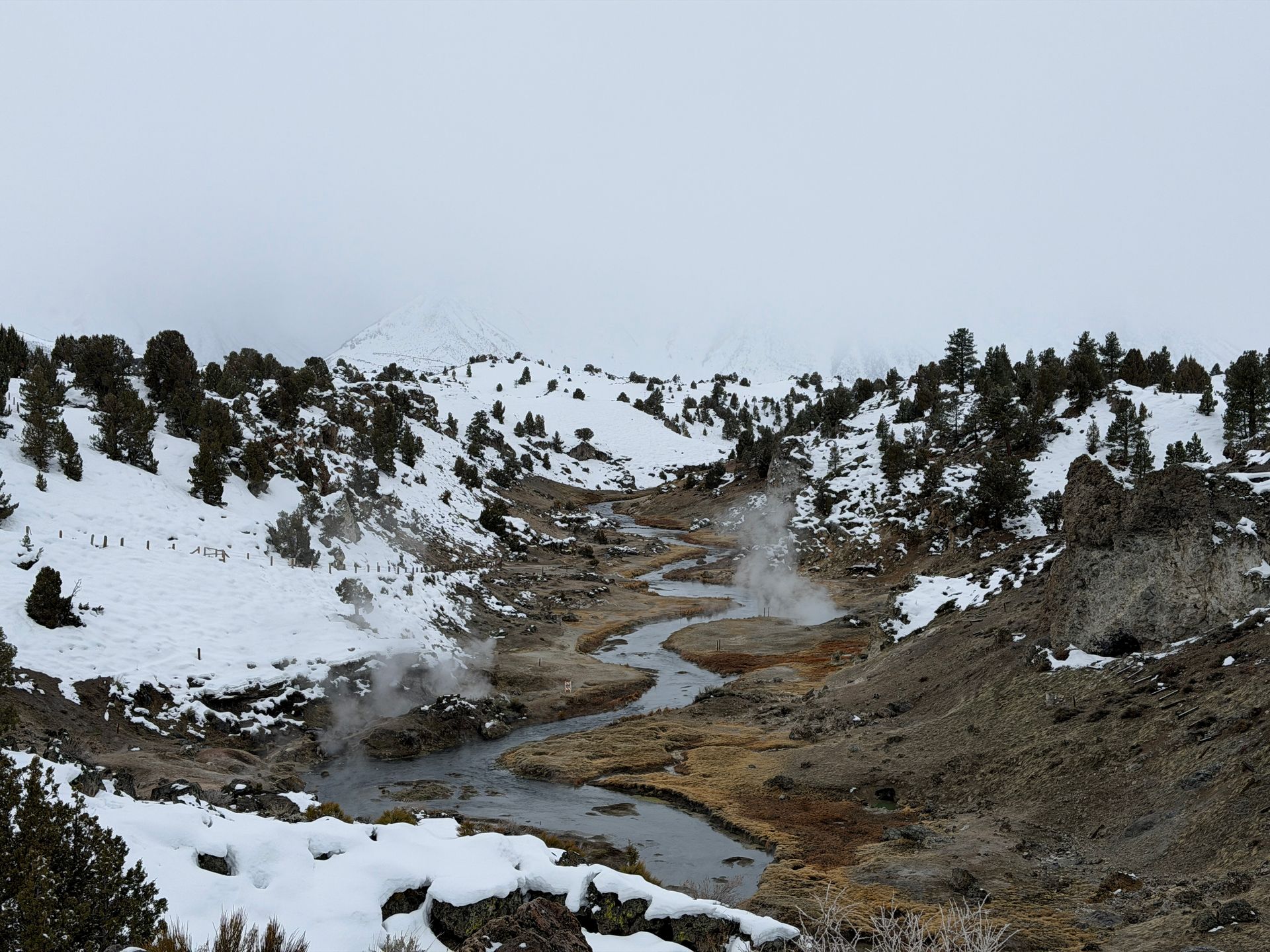
This one is different.
The trail to Hot Creek is not groomed; it’s uneven and can be deep.
The round trip is about 1.5 miles, but don’t let the distance fool you.
You need decent conditioning for this one on snowshoes.
If you make it to Bree’s Lookout on a clear day, you’ll see geothermal steam rising from the creek against snow-covered mountains.
It feels otherworldly.
If you’re up for the challenge, it’s one of the best views you’ll get in Mammoth Lakes.
Snowmobiling at Mammoth Mountain
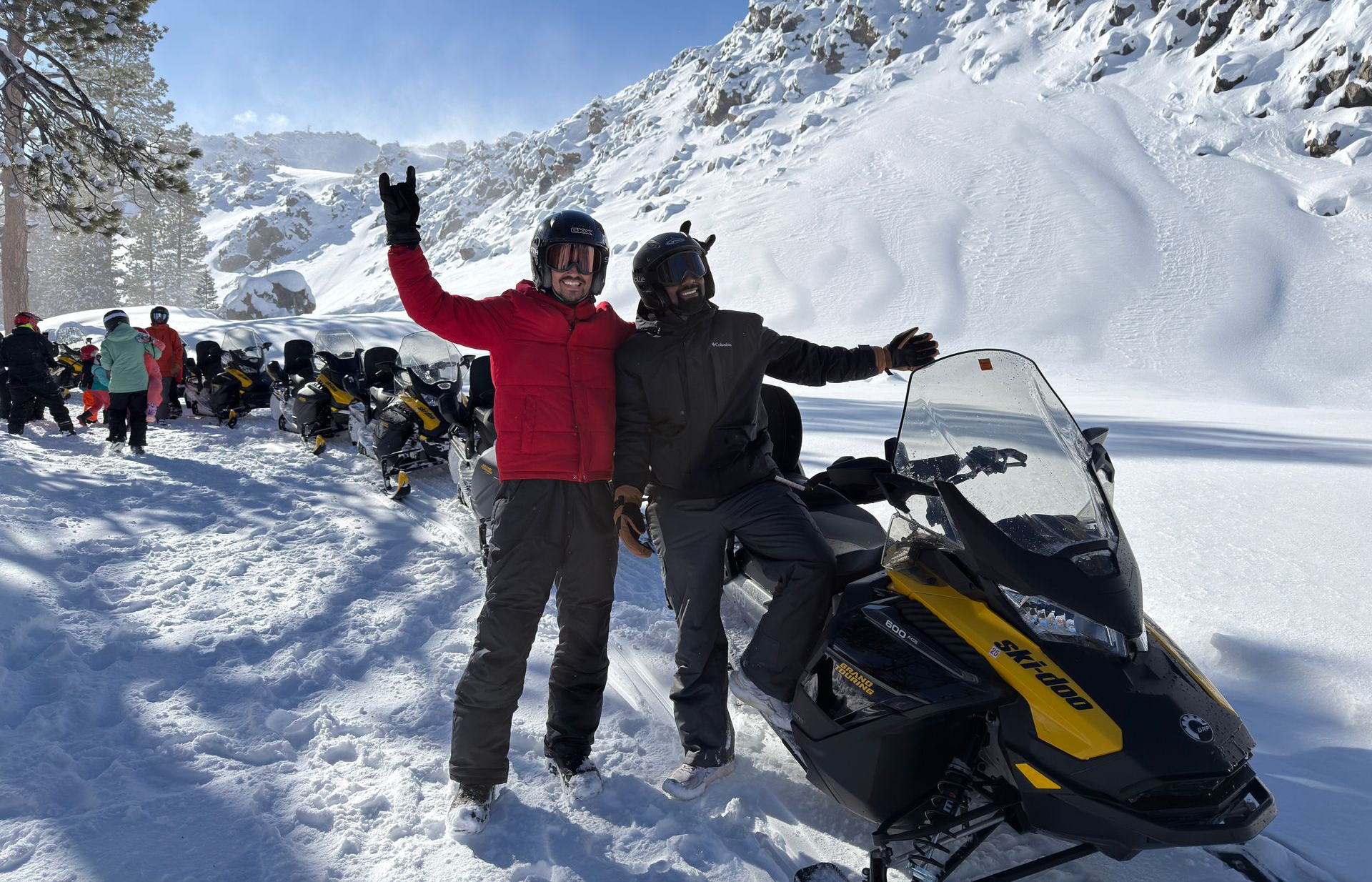
If you want something high-energy, book a tour with Snowmobile Adventures on Mammoth Mountain.
- About $160 per person.
- 1.5-hour guided tour.
- Beginner-friendly.
You’ll ride through snowy forest terrain with a guide leading the way.
This is the “laughing inside your helmet” kind of fun.
Bring goggles and a face wrap to stay warm. Trust me, you don’t want to forget these, or you will be cold!
Convict Lake (A Gem of the Sierra)
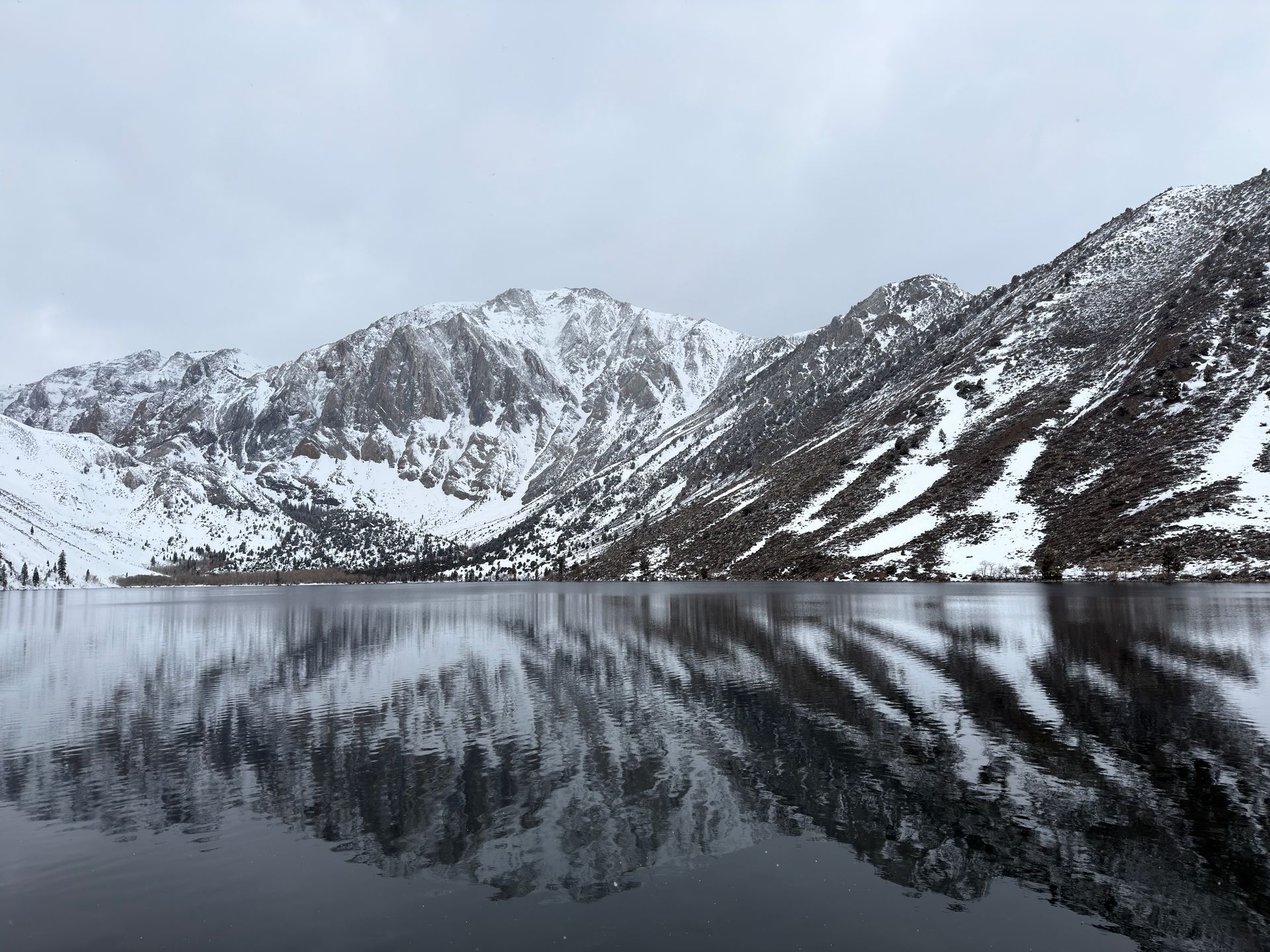
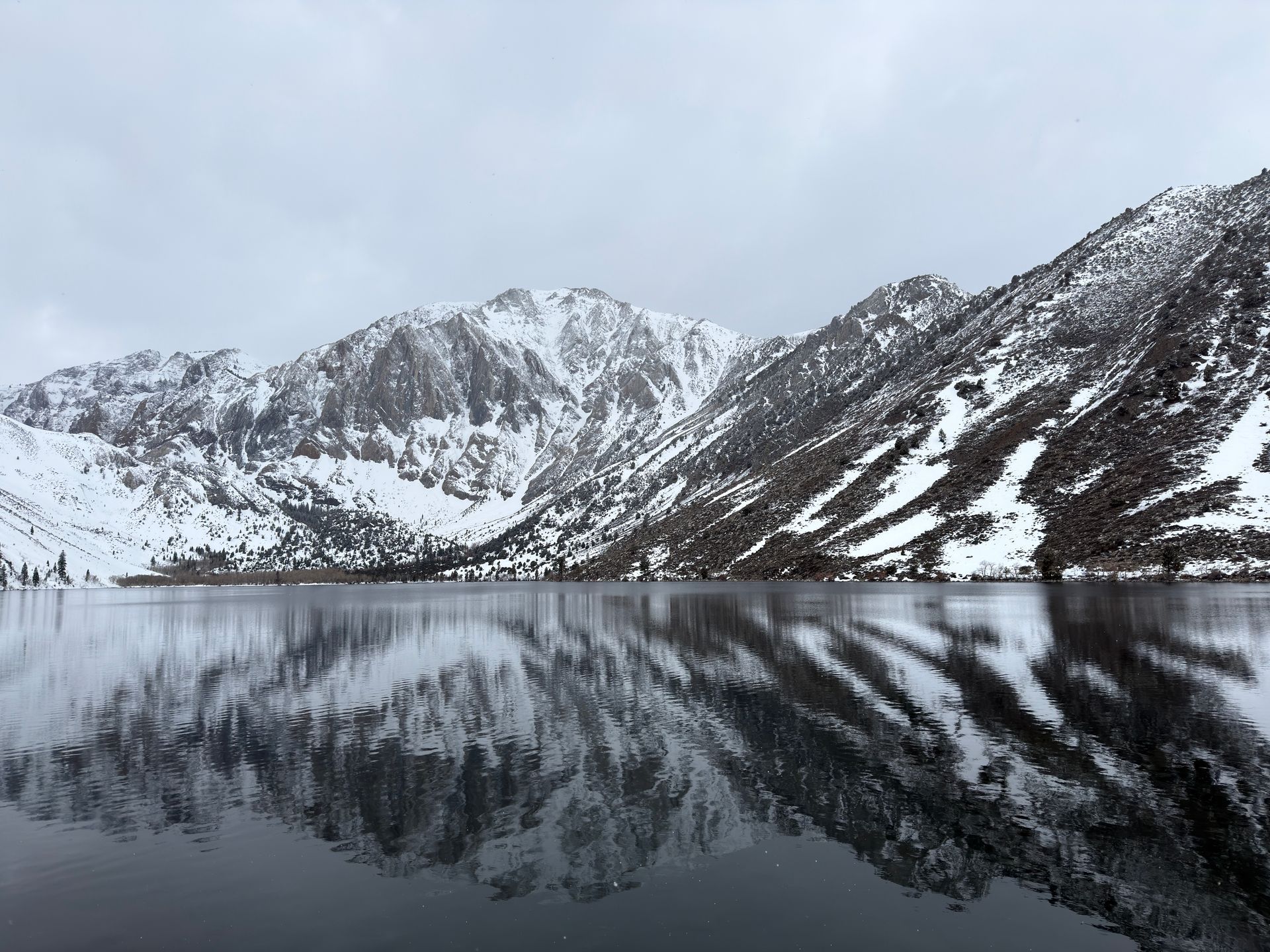
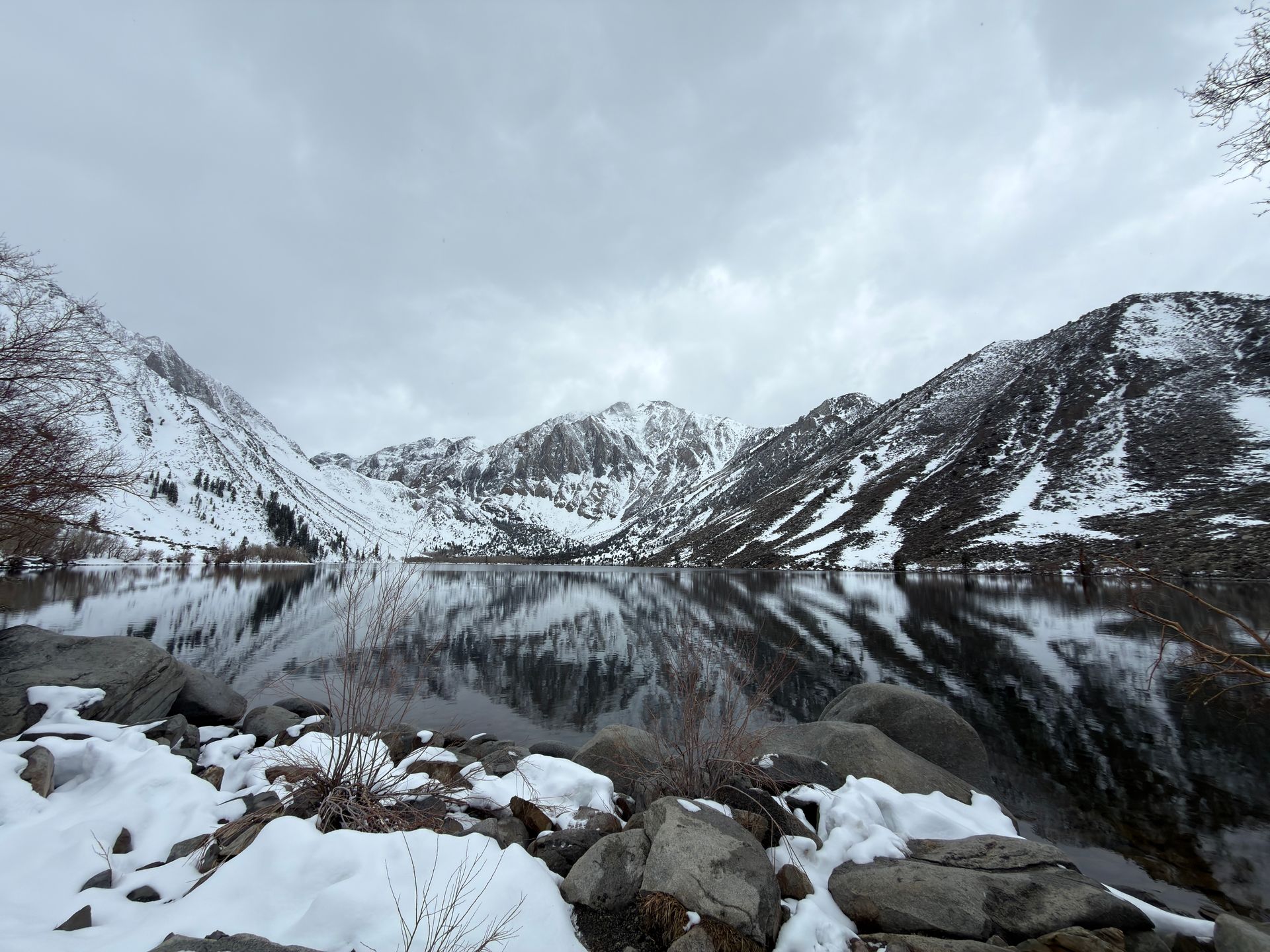
A short drive south of town, Convict Lake in winter is stark and dramatic.
The mountains rise straight up behind it. Snow outlines every ridge.
Even a short walk here feels cinematic.
There is a hike you can take around the lake, but it’s not very feasible if it’s covered in snow.
So just be ready to soak in some incredible snowy views.
Woolly’s Adventure Summit
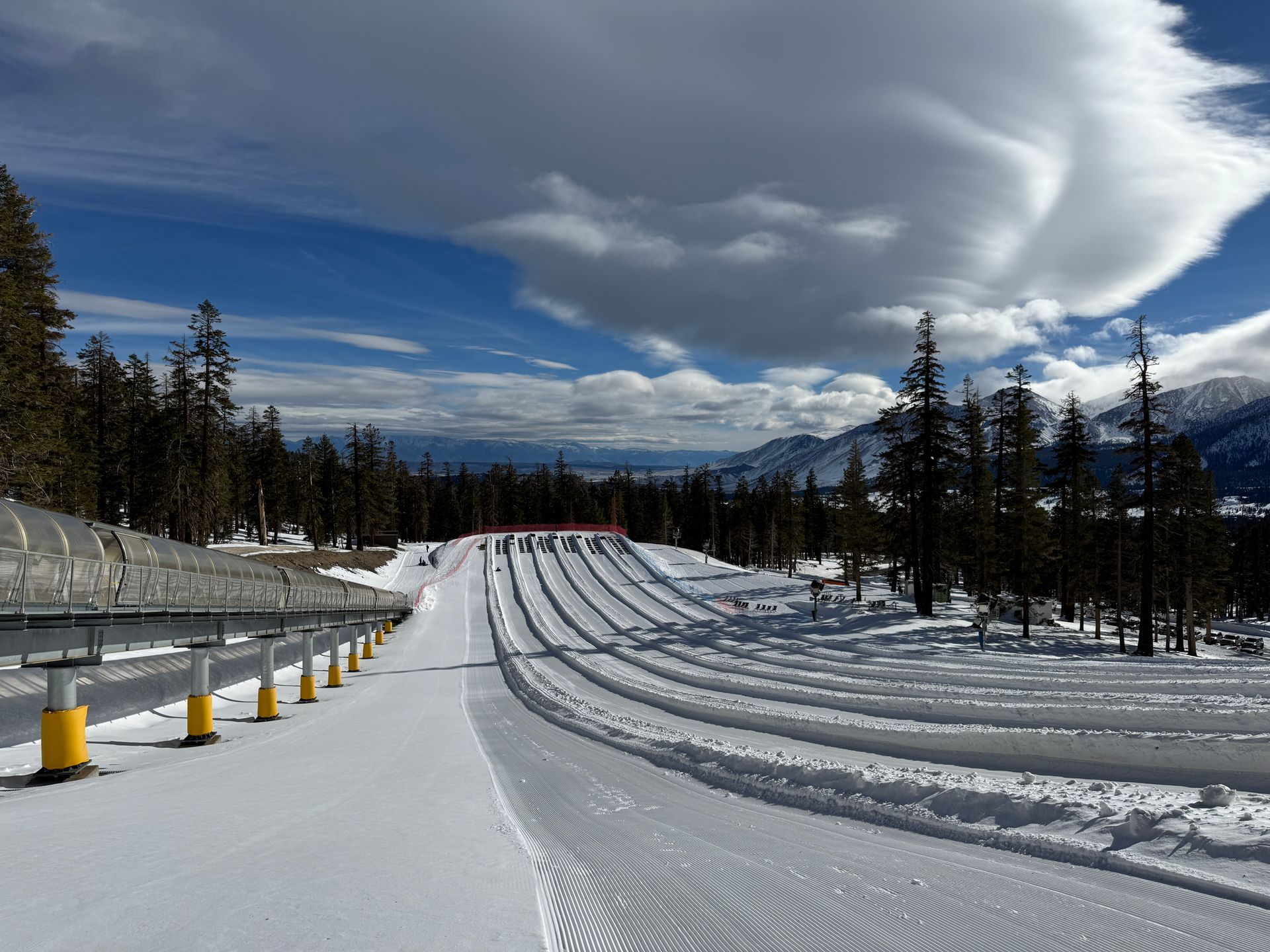
If you want variety without skiing all day, Woolly’s is perfect.
Two-hour Adventure Pass (~$95 per person) includes:
- Unlimited snow tubing.
- Alpine mountain coaster.
- Zip line (weekends only).
The tubing alone is a ton of fun. And you can go down by yourself, or hold on to your buddy for dear life.
The coaster adds an extra boost of adrenaline once you’re done racing down the tubing lanes.
Scenic Gondola Ride
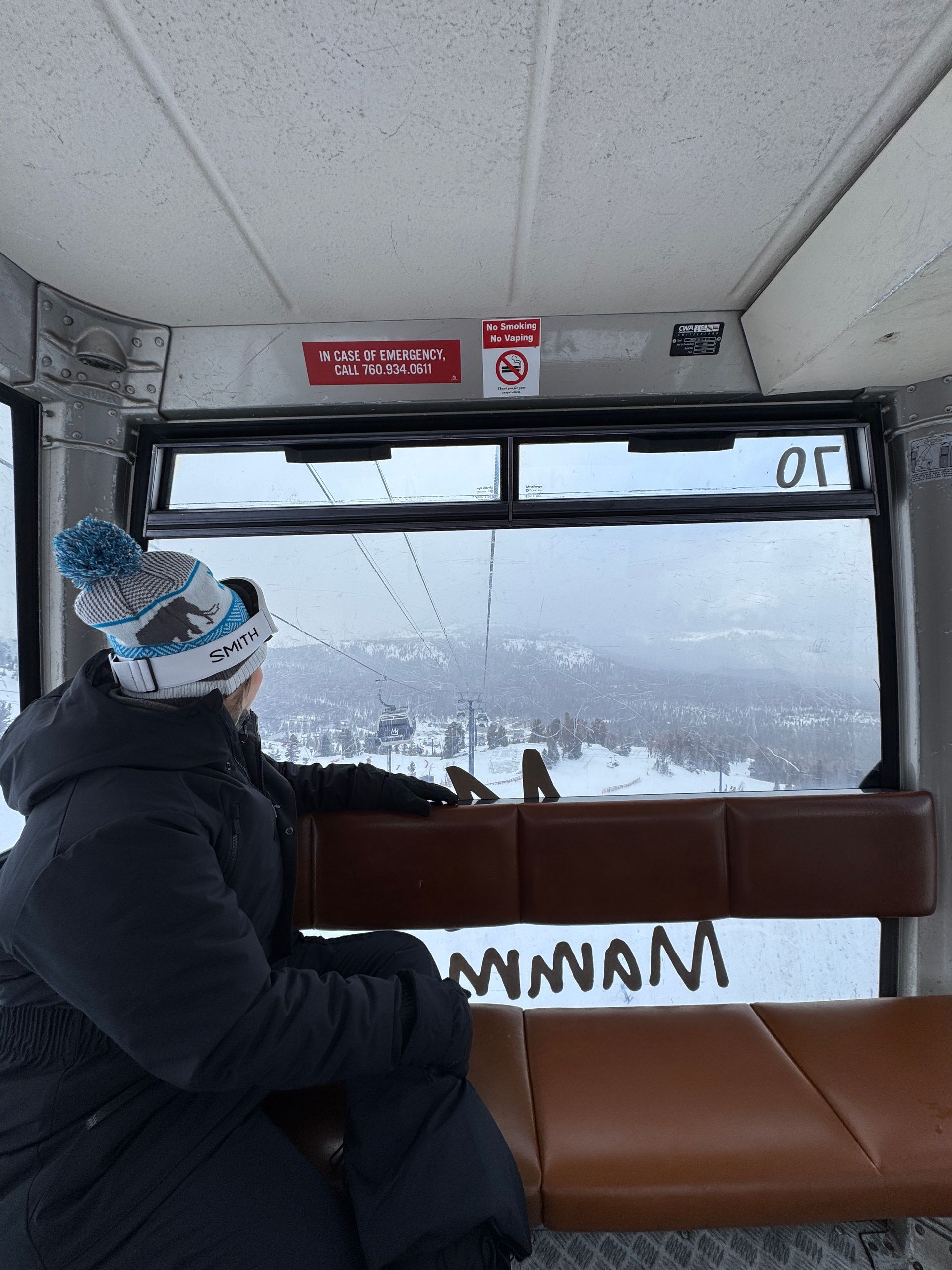
Ride the gondola up Mammoth Mountain for panoramic views of the Eastern Sierra.
If it’s clear, you can see for miles.
If it’s stormy? It feels like you’re riding into a snow globe.
You can pick up scenic gondola ride tickets at the Mammoth Mountain Panorama Scenic Gondola.
Skiing or Snowboarding
Mammoth Mountain is one of California’s premier ski destinations for a reason:
- Long season.
- Heavy snowfall.
- Terrain for all levels.
If you ski or snowboard, dedicate a full day. Or two.
With 25 lifts and 175 trails, you’ll have plenty of incredible routes to choose from!
If your lodging is within walking distance of the gondola at Mammoth Village, your morning could be so easy.
- Wake up.
- Walk to breakfast.
- Walk to the free gondola.
- Book, you're bombing down the mountain!
The Winter Timing Strategy Most People Miss
If you can swing it, try this:
- Arrive 1–2 days before a forecasted snowstorm.
- Let the storm roll through.
- Head out after plows have cleared roads.
This requires flexibility, given the unpredictable weather.
But when it works? You’ll be greeted with ideal winter wonderland conditions!
Where to Eat in Mammoth Lakes
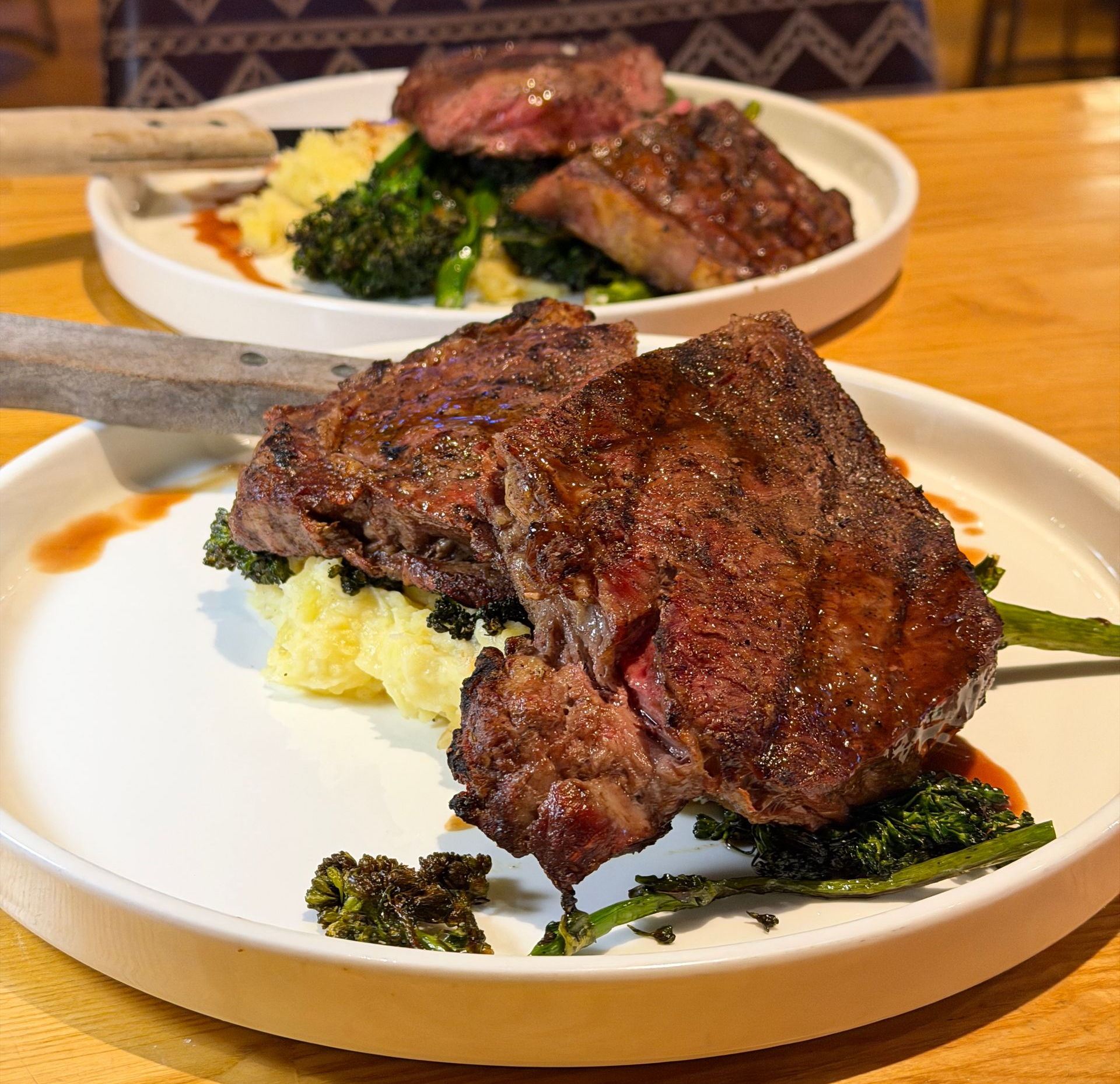
After a full day in the snow, you’ll want warm, hearty food.
- The Warming Hut – Casual comfort food.
- Cafe Crepe – Perfect for breakfast and coffee.
- Shelter Distilling – Great beer and elevated pub-style meals.
I guarantee you’ll be starving after a long day of any of the activities on this list!
What to Pack (Yes, You Need Real Winter Gear)
This is not Bay Area winter. This is high-elevation Sierra cold.
Here's what you need to bring:
- Snow pants or bib.
- Warm gloves.
- Goggles (especially for snowmobiling).
- Waterproof snow boots.
- Thick socks (Darn Tough hiking socks are great).
- A hat that covers your ears.
- Heavy winter coat.
- Multiple sweaters.
- Thermal base layers.
You’ll warm up while being active, so layering is key.
But if you’re underprepared, you’ll feel it immediately.
Important Winter Travel Tips
You must carry chains or tire socks. Even if you think you won’t need them.
We saw multiple cars spun out.
This isn’t to scare you. It’s just reality.
Make sure you bring:
- Chains.
- Ice scraper.
- Patience for yourself and other drivers.
And if it’s snowing and you don’t want to drive, Mammoth’s public transit is free and surprisingly efficient.
You can confidently use it to get to most places within the town of Mammoth Lakes!
Why This Is One of the Best Winter Road Trips in California
This route gives you:
- A dramatic Sierra crossing.
- Mono Lake’s surreal landscape.
- Quiet alpine lakes.
- Snowshoeing, snowmobiling, tubing, skiing/snowboarding.
- A cozy mountain-town atmosphere.
It feels adventurous without being inaccessible.
If you plan properly, respect winter conditions, and give yourself some flexibility, this is one of the most rewarding cold-weather road trips you can take in California.
And once you see the Eastern Sierra blanketed in fresh snow, you’ll understand why people come back every single winter.